How to Overcome Gym Anxiety: A Practical Guide for Complete Beginners
A 2021 study published in the International Journal of Environmental Research and Public Health found that nearly 50% of people experience gym intimidation, a barrier severe enough to prevent them from exercising entirely. If you are paralyzed by the thought of walking into a crowded weight room, you need a tactical approach to how to overcome gym anxiety. This guide ignores toxic positivity and instead breaks down exposure therapy tactics, strategic planning, and the psychological concept of the spotlight effect. You will learn how to build an invisible armor that helps you start training consistently and confidently.
Key Takeaways
- Identify the Spotlight Effect: Understand that cognitive bias makes you overestimate how much others are looking at you.
- Control the Variables: Go during off-peak hours and scout the facility online before stepping foot inside.
- Use a Pre-Written Plan: Staring at a structured routine on your phone gives you immediate purpose and eliminates decision fatigue.
- Apply Exposure Therapy: Start with low-stakes environments like the treadmill before progressing to complex machines and free weights.
- Build an Invisible Armor: Use noise-canceling headphones and a clear schedule to block out external distractions.
Table of Contents
- The Psychology of Gym Intimidation
- How to Overcome Gym Anxiety Before You Arrive
- Creating Your Invisible Armor
- Starting at the Gym Beginner: An Exposure Therapy Approach
- Gym Anxiety Tips for the Floor
- Practical Tool: Your First-Day Gym Checklist
- Frequently Asked Questions
- Conclusion
The Psychology of Gym Intimidation
Gym intimidation is rooted in the fear of social evaluation. The feeling that everyone is staring at you and judging your form or fitness level is a well-documented psychological phenomenon known as the spotlight effect, first detailed in research published via PubMed.
According to a 2019 survey of 2,000 adults by Fitrated, 65% of women and 36% of men actively avoid the gym due to fear of judgment. Additionally, a 2020 study in the Journal of Health Psychology found that 40% of beginners specifically fear performing exercises incorrectly in front of others. Furthermore, 48% of novices report feeling intimidated by the sheer variety of complex equipment, according to 2021 data from the International Health, Racquet & Sportsclub Association (IHRSA).
The reality is that commercial gyms are highly individualized environments. Research published by the American Psychological Association confirms that people naturally focus heavily on their own tasks in public spaces. Recognizing that other members are tracking their own rest periods and focusing on their own physiological exertion is the first step in dismantling gym anxiety.
How to Overcome Gym Anxiety Before You Arrive
Preparation is the ultimate antidote to fear. When you plan your environment and your routine, you remove the split-second decisions that trigger panic responses on the gym floor.
Strategic Scouting and Off-Peak Hours
Your first exposure to the gym should never happen at 5:30 PM on a Monday. Walking into a facility operating at peak capacity overwhelms the nervous system and heightens anxiety. Instead, use Google search data to identify your local gym's quietest windows. Going at 10:00 AM or 2:00 PM during the week ensures you have physical space to breathe, make mistakes, and learn the equipment without an audience.
The Power of a Pre-Written Plan
The most paralyzing feeling for a beginner is standing in the middle of a crowded weight room and thinking about what to do next. You must eliminate this moment entirely by knowing exactly what exercises you are doing, the order, and the repetition ranges before you leave your car.
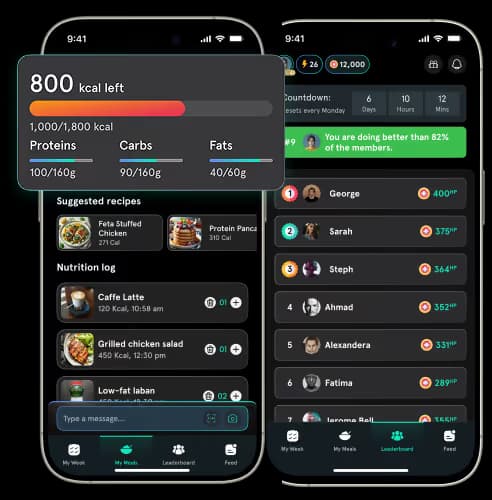
Staring at a clear, easy-to-follow workout plan on your phone gives you immediate purpose. When you log your data, you look busy, focused, and unapproachable. Trainmate's step tracking and structured daily workouts automate this process entirely. Checking your next set in the Trainmate app acts as an anchor, giving you a specific physical destination so you never have to wander the floor aimlessly.
Creating Your Invisible Armor
You can artificially shrink the size of a massive commercial gym by manipulating your sensory input. The environment feels smaller and more manageable when you control what you hear and see.
Key Insight: Wearing noise-canceling headphones reduces auditory overwhelm and sends a universal visual signal that you are not open to unsolicited conversation. This simple tool immediately lowers cortisol levels in crowded spaces.
Pair your headphones with a brimmed hat pulled low. This restricts your peripheral vision, making it physically harder to notice if anyone happens to be looking in your direction. By limiting sensory input, you force your brain to focus solely on the physical execution of your movements and the consistency of your routine.
Starting at the Gym Beginner: An Exposure Therapy Approach
Exposure therapy involves gradually introducing yourself to the source of your anxiety in manageable, safe increments. You do not need to walk straight to the squat rack on day one. Follow this progressive system to build tolerance.
Phase 1: The Cardio Anchor (Weeks 1-2)
When you first arrive, head straight for a treadmill or stationary bike located at the back of the room. This provides a physical anchor point. You can spend 20 minutes doing low-intensity cardio while scanning the room safely. This observation period allows you to learn where the water fountains are, locate the stretching areas, and observe gym etiquette from a distance.
Phase 2: Machine Familiarization (Weeks 3-4)
Once the environment feels familiar, transition to selectorized resistance machines like the leg press or seated chest press. Machines are physically structured to guide your path of motion, minimizing the risk of incorrect form. They also feature printed diagrams showing exactly how to use them, which drastically reduces the performance anxiety associated with free weights.
Phase 3: Free Weight Integration (Weeks 5+)
After establishing confidence on machines, gradually introduce dumbbells. Grab a light pair of dumbbells and find a quiet corner or a studio room to execute your routine. The goal is simply handling the equipment. Over time, you can progress to a comprehensive guide to using free weights and start utilizing barbells and benches in the main floor area.
Gym Anxiety Tips for the Floor
Even with perfect preparation, commercial gyms are dynamic environments. Having predefined reactions to common gym scenarios prevents in-the-moment panic.
When Your Planned Equipment is Taken
It is highly likely that the machine you need will be occupied. Instead of standing awkwardly nearby or leaving the gym entirely, have a backup movement ready. If the leg press is taken, move to goblet squats. Using a comprehensive fitness app usually provides quick alternative exercises for exactly this reason.
When You Feel Like You Are Being Watched
If you suddenly feel self-conscious, reset your focus. Look at your phone, review your next exercise, take a sip of water, and execute three deep breaths. Remind yourself that experienced lifters are generally supportive and were once beginners themselves. According to the Centers for Disease Control and Prevention, simply showing up and engaging in physical activity puts you ahead of 75% of the general population.
Practical Tool: Your First-Day Gym Checklist
- Pack your gym bag the night before with comfortable clothes, a water bottle, and a towel.
- Download your exact workout routine to your phone so it is available offline.
- Check the peak hours online to ensure you are arriving during a quiet window.
- Charge your noise-canceling headphones to 100% capacity.
- Commit to staying for just 15 minutes; give yourself permission to leave after completing your warm-up if the anxiety is too high.
Frequently Asked Questions
Why do I get so anxious before going to the gym?
Anxiety before the gym stems from a fear of the unknown and social evaluation. Your brain perceives the unfamiliar environment and the potential judgment of more experienced lifters as a threat, triggering a mild fight-or-flight response. Planning your workout and familiarizing yourself with the layout mitigates this perceived threat.
What is the best time to go to the gym to avoid crowds?
The quietest times at most commercial gyms are mid-morning between 9:00 AM and 11:00 AM, and early afternoon around 2:00 PM. Late evenings after 8:00 PM are also significantly less crowded. Avoid the 5:00 PM to 7:00 PM post-work rush hour.
How do I handle gym intimidation from experienced lifters?
Realize that the most muscular, experienced people in the gym are typically the least judgmental. They understand the discipline required to train and generally respect anyone trying to improve. Focus strictly on your own program, keep your headphones on, and remember they are absorbed in their own physical exertion.
Can I just do cardio if I have severe gym anxiety?
Yes, using cardio equipment is an excellent, low-stakes entry point. The treadmill or stationary bike keeps you physically moving while allowing you to safely observe the gym's layout and culture. Once you establish a routine and feel comfortable in the building, slowly transition to resistance training machines.
How long does it take to get over gym anxiety?
For most beginners, acute gym anxiety significantly decreases after three to four consistent visits. Building a habit and learning the physical layout of the facility eliminates the fear of the unknown. By week four of a structured program, your focus will naturally shift from your surroundings to your physical progress.
Conclusion: Moving Forward With Confidence
Learning how to overcome gym anxiety is a practical skill, not a personality trait. By understanding the spotlight effect, utilizing off-peak hours, and approaching the gym floor with a structured, step-by-step plan, you strip away the intimidation factor entirely. The weight room is simply a collection of tools designed to improve your health. As you apply these exposure tactics, the space will quickly transition from an environment of fear to a place of personal growth. Your next specific step is straightforward: pack your bag tonight, pick a quiet time tomorrow, and execute a 20-minute introductory session.
Trainmate removes the guesswork from your fitness journey by providing clear, science-backed workout plans directly to your phone. By delivering precise workout instructions and tracking your progression, the app ensures you always know exactly what to do next. Let your phone serve as your guide and step onto the gym floor with absolute certainty today.