How Should Protein Distribution for Muscle Hypertrophy Be Structured?
Optimal protein distribution for muscle hypertrophy requires consuming 0.40 to 0.55 g/kg of protein per meal across 3 to 5 evenly spaced feedings. Each meal must supply at least 2.7 to 3.0 g of leucine to trigger maximal muscle protein synthesis, with meals separated by 3.5 to 5 hours to reset cellular signaling mechanisms.
Hitting a total daily protein target of 1.6 to 2.2 g/kg provides the raw material for muscle growth. However, dumping 70% of that total into a single dinner misses the cellular machinery that drives tissue building. Muscle protein synthesis (MPS) is an acute, event-driven response governed by intracellular amino acid sensing rather than 24-hour accumulation.
What is the Leucine Threshold Required to Trigger mTORC1 Activation?
Skeletal muscle senses amino acid availability through the mechanistic target of rapamycin complex 1 (mTORC1) pathway. The intracellular protein Sestrin2 acts as a sensor for free leucine. When intracellular leucine concentrations reach a critical threshold, Sestrin2 dissociates from GATOR2, triggering Rag GTPase activation and translocating mTORC1 to the lysosomal membrane for full activation.
Satiating this molecular switch requires 2.7 to 3.5 g of leucine per serving, which translates to roughly 0.045 g/kg of body weight per meal. Falling below this threshold yields a sub-maximal MPS response regardless of total non-essential amino acid volume. You can calculate your target macro distribution using our macro calculator.
The total grams of protein required to hit this leucine threshold depends entirely on the amino acid profile of the protein source. Whey isolate contains approximately 11% leucine by weight, hitting the 3.0 g threshold in a single 27 g dose. Soy protein isolate contains roughly 7.8% leucine, requiring 38 g of protein to achieve identical mTORC1 stimulation, while whole egg protein delivers 3.0 g of leucine in approximately 35 g of protein.
A position stand in the Journal of the International Society of Sports Nutrition demonstrated that high-quality animal proteins reach this threshold faster per gram than plant-based proteins. Athletes consuming plant-heavy diets must increase per-meal protein volume by 20% to 30% to match the leucine saturation of animal-derived proteins.

What is the Muscle Full Effect and How Long Does the MPS Refractory Period Last?
Following protein ingestion, fractional synthetic rate (FSR) rises rapidly, peaking between 90 and 120 minutes post-meal. After this peak, FSR returns to baseline levels by 180 minutes, even if blood plasma amino acid levels and intracellular leucine concentrations remain high. This physiological drop-off is known as the muscle full effect.
The muscle full effect creates a refractory period lasting between 3.5 and 5.0 hours. During this period, skeletal muscle tissue becomes temporarily desensitized to additional hyperaminoacidemia. Grazing on small doses of protein every 60 to 90 minutes maintains high blood leucine but prevents the cyclic peak-and-fall pattern required to reset mTORC1 sensitivity, leading to a lower 24-hour cumulative MPS response.
Research led by Atherton and Smith in the Journal of Physiology confirmed that constant amino acid infusions fail to sustain elevated muscle protein synthesis beyond 2 hours. Spacing discrete meals 4 hours apart allows plasma amino acids to decline, resetting the cellular sensing mechanism. During demanding training cycles, combining properly timed protein doses with intra-workout carbohydrates supports performance without disrupting this FSR refractory window.
How Much Protein Should You Consume Per Meal to Maximize Muscle Protein Synthesis?
To saturate the acute FSR response, trained athletes should target 0.40 to 0.55 g/kg of high-quality protein per meal. For an 85 kg lifter, this equates to a discrete dose of 34 g to 47 g of protein. Boluses smaller than 0.30 g/kg risk failing to hit the absolute leucine threshold, particularly when consuming mixed real-food meals containing fats and dietary fiber that delay gastric emptying.
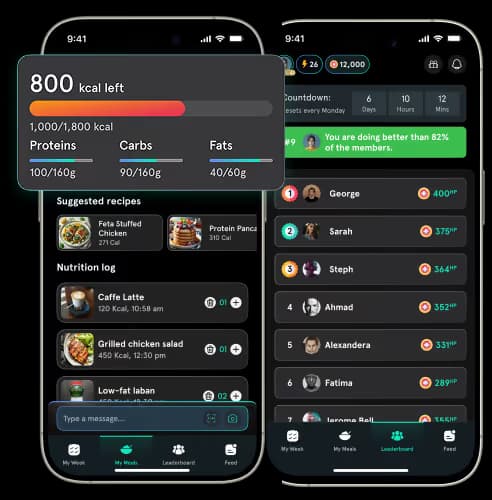
Older athletes or individuals recovering from damaging eccentric training sessions exhibit higher levels of anabolic resistance. These populations require per-meal doses approaching 0.60 g/kg (approximately 50 g of protein) to achieve the same intracellular signaling magnitude as younger lifters consuming 30 g. Monitoring your daily macronutrient breakdown to ensure every meal meets this requirement is simple with meal logging by photo, chat or manual entry.
Consuming massive individual doses of 70 g to 100 g of protein in a single sitting does not waste the amino acids. The gastrointestinal tract slows motility, absorbing the amino acids over 6 to 8 hours for tissue repair, oxidation, and gut extraction. However, that single 100 g dose triggers only one acute MPS peak, providing no greater instant synthetic response than a precise 45 g meal. When cutting weight, maintaining high per-meal protein efficiency is essential to avoid low energy availability and preserve muscle tissue; review our guide on retaining muscle in an energy deficit.

How Should Daily Protein Intake Be Distributed Across Meals for Optimal Hypertrophy?
Maximizing 24-hour muscle protein accretion requires dividing total intake into 4 discrete meals, spaced 3.5 to 5 hours apart. This framework delivers 4 distinct, maximal mTORC1 spikes while avoiding the desensitization associated with constant amino acid availability.
A practical structure for an 80 kg athlete targeting 160 g of total daily protein (2.0 g/kg) follows a strict timed sequence:
- Meal 1 (08:00): 40 g protein (3.6 g leucine)
- Meal 2 (12:30): 40 g protein (3.4 g leucine)
- Meal 3 (17:00): 40 g protein (3.5 g leucine)
- Meal 4 (21:30): 40 g slow-digesting protein (3.8 g leucine)
The final meal of the day should consist of slow-digesting proteins like micellar casein or whole food combinations consumed 30 to 60 minutes before sleep. A pre-bed dose of 0.55 g/kg (40 g to 50 g) provides sustained plasma amino acid delivery over the 7 to 9 hour nocturnal fast, suppressing muscle protein breakdown while preserving baseline FSR overnight. Track your weekly feeding structure and verify consistency across training blocks using a weekly nutrition summary and meal history.
An International Society of Sports Nutrition position stand on diets and body composition emphasized that evenly distributed protein meals produce superior lean mass gains compared to skewed daily meal patterns where 60% or more of total daily protein is ingested in a single evening meal. Aligning your distribution protocol alongside appropriate per-session set limits for hypertrophy optimizes both local mechanical stimulus and systemic substrate availability.
Frequently Asked Questions About Protein Distribution
Does consuming more than 40g of protein in one meal get wasted?
No. Protein consumed beyond the 0.40 to 0.55 g/kg per-meal dose is not wasted. The body slows digestion to absorb the excess amino acids over an extended timeframe for structural repair and splanchnic extraction. However, doses exceeding this threshold do not further increase the height of the immediate muscle protein synthesis peak.
Can intermediate lifters build muscle using intermittent fasting with two large meals?
Two large meals daily will build muscle if total calorie and protein requirements are met, but the rate of hypertrophy will be suboptimal. Limiting daily intake to two meals triggers mTORC1 activation only twice per day. A four-meal structure provides two additional distinct synthetic windows over 24 hours.
How does resistance training alter the per-meal protein threshold?
Hard weight training sensitizes skeletal muscle to amino acids for up to 24 to 48 hours post-workout. This heightened sensitivity increases the total amplitude and duration of muscle protein synthesis in response to a meal. However, the absolute leucine threshold required to initiate mTORC1 signaling remains stable at 2.7 to 3.0 g per serving.
Is pre-bed protein necessary if total daily protein targets are met?
Pre-bed protein is not mandatory, but it significantly improves overnight nitrogen balance. Consuming 40 g to 50 g of a slow-digesting protein before sleep prevents extended nighttime net muscle protein loss during the nocturnal fast. This bolus ensures continuous amino acid release when systemic FSR would otherwise drop to baseline.
Optimizing hypertrophy demands precise alignment between resistance training stress and metabolic timing. Spacing 0.40 to 0.55 g/kg protein boluses every 3.5 to 5 hours maximizes continuous cellular signaling without desensitizing the muscle full window. Build your optimized diet strategy and save your highest-yielding meals using TrainMate's personal saved-meals library.