Do Intra Workout Carbohydrates in Strength Training Improve Performance?
Intra-workout carbohydrates preserve force output, maintain bar velocity, and prevent rep drop-off during resistance training sessions that exceed 60 minutes or 15 hard sets. Consuming 30 to 60 grams of rapidly digesting carbohydrates per hour maintains systemic blood glucose levels, limits localized glycogen depletion in fast-twitch muscle fibers, and lowers the rating of perceived exertion.
Intramuscular glycogen serves as the primary fuel substrate during high-volume resistance exercise. Heavy muscular contractions rely almost entirely on anaerobic glycolysis inside type II fast-twitch fibers. According to a 2022 systematic review in Sports Medicine, targeted resistance training sessions reduce localized glycogen stores by 24% to 40% in trained muscle groups. When glycogen concentration drops below 200 mmol per kilogram of dry muscle tissue, calcium release from the sarcoplasmic reticulum falls, compromising peak force output.
Preserving repetition volume across extended sessions requires steady systemic glucose availability. Exogenous carbohydrate intake during training keeps blood glucose near 4.5 to 5.5 mmol/L, limiting reliance on liver glycogen stores. Catching performance drops before they wreck a training block demands precise set tracking; lifters can execute guided gym workouts with set-by-set logging of reps, weight and assisted-machine loads to identify when fatigue degrades set quality. Reviewing per-session volume limits for hypertrophy establishes exactly when liquid carbohydrates shift from extra calories into a functional performance tool.

What Session Threshold Requires Intra Workout Carbohydrates in Strength Training?
Glycogen depletion becomes performance-limiting only when total training workload crosses specific volume and duration thresholds. For sessions under 45 minutes or under 10 total working sets, baseline muscle glycogen and pre-workout meals supply adequate substrate to sustain maximum force output. Drinkable carbohydrate intra-workout supplements during short sessions simply add surplus calories without driving greater velocity or rep volume.
In an analysis published on Examine, short resistance workouts under 45 minutes showed zero measurable difference in force output between carbohydrate-supplemented groups and placebo trials. The physiological need for intra-session carbohydrates emerges when total work volume surpasses 15 to 20 hard sets per workout. A meta-analysis in the Journal of the International Society of Sports Nutrition confirmed that carbohydrate ingestion significantly improved total lifting volume during prolonged, high-volume resistance protocols. Managing bar speed in high-volume blocks can be paired with velocity loss threshold resistance training strategies to cut sets before fatigue compounds.
Athletes operating in a calorie deficit burn through stored energy at an accelerated rate. Entering a session with reduced energy availability lowers initial muscle glycogen reserves before the first working set. Intra-workout carbohydrate supplementation protects performance while cutting, preventing energy availability from dipping past the critical 30 kcal per kg energy availability threshold.

How Many Grams of Carbohydrates Should You Consume During a Workout?
Dose 30 to 60 grams of fast-digesting carbohydrates per hour for lifting sessions lasting between 60 and 90 minutes. When volume demands push sessions past 90 minutes, scale intake upward to 0.5 grams per kilogram of body weight per hour.
Select carbohydrate sources based on molecular structure and osmolality to prevent gastrointestinal distress. Highly Branched Cyclic Dextrin (HBCD) and maltodextrin leave the stomach rapidly due to low osmolality in solution. Simple fructose relies on slower intestinal transporters, which increases gut distress risks under high intra-abdominal pressure during heavy compounds.
Carbohydrate Source | Osmolality (mOsm/kg) | Solution Concentration % | Mixability in Water | Cost per 30g Serving |
|---|---|---|---|---|
Highly Branched Cyclic Dextrin | ~150-180 | 6% to 8% | Instant, clear solution | $1.20 - $1.60 |
Maltodextrin | ~180-220 | 6% to 8% | High, slight cloudiness | $0.30 - $0.50 |
Dextrose / Glucose | ~280-300 | 5% to 6% | Instant, sweet taste | $0.20 - $0.40 |
Fructose | ~290-310 | 3% to 4% (max) | High, very sweet | $0.25 - $0.45 |
Co-ingesting sodium accelerates carbohydrate uptake through sodium-dependent glucose transporters (SGLT1) in the small intestine. According to a clinical review on ResearchGate, adding 300 to 500 milligrams of sodium per liter of fluid optimizes intestinal fluid absorption and maintains plasma volume under physical strain. Lifters calculating daily macronutrient targets can balance intra-workout carbohydrate allocations using the TrainMate Macro Calculator.
When Should You Consume Carbohydrates During a Workout?
Sip liquid carbohydrates at regular 10-to-15-minute intervals rather than chugging large boluses. Small, continuous doses maintain steady blood glucose concentration without causing stomach sloshing or insulin spikes.
Begin sipping 10 to 15 minutes after completing your warm-up sets. Drinking 100 to 150 milliliters every 15 minutes delivers roughly 8 to 15 grams of carbohydrates per serving when using a 6% solution. A 2020 study in Nutrients observed that steady micro-dosing maintains high glucose oxidation rates while preventing reactive hypoglycemia.
Factor in pre-workout meal timing before opening a shaker bottle. A high-carbohydrate meal eaten 60 to 90 minutes before lifting supplies adequate glucose for the initial hour of training. Practical guidance published by Outwork Nutrition demonstrates that lifters with solid pre-workout nutrition require intra-session carbs only when workouts push beyond 60 minutes. Learn how to optimize solid food timing with 9 best pre-workout foods for sustained energy.
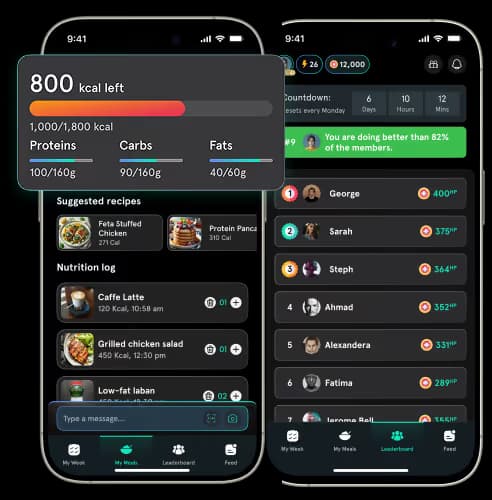
Intra-workout carbohydrates contribute directly to total daily energy intake. Athletes tracking overall energy intake can use meal logging by photo, chat or manual entry to capture every gram of intra-workout powder alongside whole-food meals.
Frequently Asked Questions
Can you mix intra-workout carbohydrates with essential amino acids or whey protein?
Yes. Combining 30 grams of fast-digesting carbohydrates with 5 to 10 grams of essential amino acids (EAAs) or hydrolysed whey reduces muscle protein breakdown during extended volume blocks. Keep total solute concentration below 8% to prevent slowing gastric emptying and causing intestinal distress during heavy lifting.
How should intra-workout carb dosing change when training in a calorie deficit?
During a deficit, prioritize intra-workout carbohydrates over pre-workout fats or excess post-workout carbs. Shift 20% to 30% of your daily carbohydrate allocation directly into your intra-workout drink. This preserves lifting performance and training intensity while maintaining a net daily caloric deficit without sacrificing lean muscle tissue.
Do liquid intra-workout carbohydrates cause insulin spikes that halt fat loss?
No. Physical exercise increases muscle cell permeability to glucose independently of high systemic insulin via GLUT4 receptor translocation. Carbohydrates consumed during high-volume lifting are taken up directly by active skeletal muscle fibers for energy expenditure rather than stored in adipose tissue, regardless of transient insulin changes.
Can solid foods like gummy candies substitute for liquid intra-workout carbohydrates?
Solid foods require mechanical breakdown and stomach acid digestion, delaying gastric emptying compared to low-osmolality liquid solutions. While high-glycemic candies can work in a pinch, liquid Highly Branched Cyclic Dextrin or maltodextrin supplies faster systemic glucose availability with significantly less risk of gut heaviness during heavy compounds.
To implement intra-workout carbohydrates effectively, benchmark your session volume and adjust intra-workout dosing only when working set counts exceed 15 sets per workout. Mix 30 to 60 grams of Highly Branched Cyclic Dextrin with 300 to 500 milligrams of sodium in a 6% liquid solution, sipping every 15 minutes. Tracking your weekly progression alongside a weekly nutrition summary and meal history ensures every intra-workout carb dose aligns directly with your current macro targets and muscle growth response.