9 Best Pre-Workout Foods for Sustained Energy (Without Supplements)
A 2022 survey published in the Journal of Dietary Supplements found that 71% of recreational lifters rely entirely on artificially sweetened, caffeine-heavy powders for gym stamina. The truth is, the best pre-workout foods deliver far superior, sustained energy without the post-workout crash or sudden jitters. By mapping your nutrient timing and digestion windows, you can fuel intense physical activity using completely natural sources. The biological secret lies in matching the glycemic index of your chosen snack to the exact countdown timer of your warm-up routine.
Key Takeaways
Eat complex carbohydrates 2 to 3 hours before training to build a steady glycogen baseline.
Consume fast-digesting simple sugars 30 to 45 minutes pre-workout for an immediate spike in available blood glucose.
Maintain a carbohydrate-to-protein ratio of 3:1 to maximize muscle protein synthesis without slowing down digestion.
Avoid consuming more than 10 grams of fat within 60 minutes of lifting, as dietary fat significantly delays gastric emptying.
Table of Contents
The Science of Carbs Before Workout
What to Eat Before a Workout: Timing Your Digestion
9 Natural Pre Workout Snacks for Max Energy
Practical Tool: Pre-Workout Timing Checklist
FAQ on the Best Pre-Workout Foods
The Science of Carbs Before Workout
Glycogen acts as your primary biological fuel reserve during moderate to high-intensity resistance training. A landmark 2011 consensus published by the International Society of Sports Nutrition explicitly states that exercising with depleted glycogen stores reduces total muscular work output by up to 50%. Consuming specific carbohydrates before workout sessions ensures these intramuscular reserves stay fully stocked. You need a targeted nutrient profile, ideally consuming 1 gram of carbohydrate per kilogram of body weight exactly 60 minutes before stepping onto the gym floor.
Key Insight: Muscle glycogen depletion accounts for an 80% drop in absolute force output after just 40 minutes of heavy, repeated-bout resistance training.
The ideal pre-training meal requires a carbohydrate-to-protein ratio of 3:1 to maximize performance. This specific ratio supplies immediate glucose for energy while providing enough amino acids to trigger muscle protein synthesis during the workout. Keeping protein moderate, typically around 15 to 20 grams, prevents your digestive system from competing with your muscular system for blood flow.
What to Eat Before a Workout: Timing Your Digestion
The gastrointestinal digestion window strictly dictates exactly what to eat before a workout. If you eat a dense, fat-heavy meal 30 minutes before training, your autonomic nervous system diverts critical blood flow directly to your stomach rather than your working muscles. This physiological conflict inevitably causes nausea, cramping, and a distinct lack of explosive power.
Two to three hours prior to exercise, your body efficiently breaks down complex starches and lean proteins. This extended window handles high-fiber foods like oats and brown rice smoothly. At the 45-minute mark, your stomach physiology shifts, meaning you can only process simple, easily digestible sugars that require minimal enzymatic breakdown.
9 Natural Pre Workout Snacks for Max Energy
1. Rolled Oats (2 Hours Before)
Half a cup of dry rolled oats provides 27 grams of complex carbohydrates, 5 grams of protein, and 4 grams of dietary fiber. You should consume this fibrous whole grain exactly two hours before starting your warm-up protocol. This specific window gives your digestive tract enough time to break down the beta-glucan fiber without causing mid-workout gastrointestinal distress.
Oats provide a steady, slow-drip release of glucose directly into your bloodstream. This sustained energy prevents the severe blood sugar crash commonly associated with commercial sugary energy drinks. Pairing your oats with a small scoop of whey protein creates an ideal base when navigating a beginner guide to free weights.
2. Ripe Bananas (45 Minutes Before)
One medium ripe banana yields 27 grams of rapidly digesting carbohydrates and 422 milligrams of potassium. The brown spots on the peel indicate that the starches have completely converted into simple sugars. You should eat a banana 45 minutes before stepping onto the gym floor for an immediate energy surge.
The high potassium content actively regulates muscular contractions and nerve signals during heavy lifting. By consuming this mineral beforehand, you significantly reduce the likelihood of experiencing debilitating muscle cramps during high-volume leg days.
3. Baked Sweet Potatoes (2 Hours Before)
A 130-gram baked sweet potato offers 26 grams of low-glycemic carbohydrates and a massive dose of Vitamin A. This root vegetable requires a full two hours to digest properly due to its dense, complex starch matrix. Baking rather than boiling helps retain the natural sugars for improved pre-workout taste.
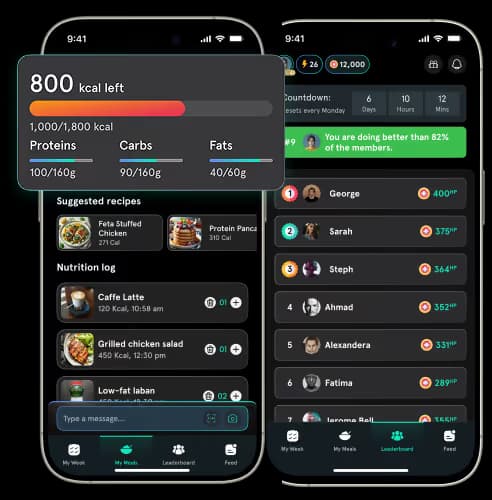
The low glycemic index means sweet potatoes release energy gradually over several hours. If you consistently track your intake, Trainmate's nutrition logger shows exactly how this sustained energy source impacts your performance during intense HIIT sessions. This stability allows you to push harder during longer cardiovascular routines.
4. Plain Greek Yogurt with Berries (90 Minutes Before)
A 150-gram serving of non-fat Greek yogurt mixed with a handful of blueberries delivers 15 grams of protein and 20 grams of carbohydrates. This combination hits the optimal 3:1 macronutrient ratio perfectly when timed 90 minutes prior to exercise. The blueberries supply essential antioxidants that help mitigate acute exercise-induced oxidative stress.
The whey and casein blend naturally found in Greek yogurt ensures a steady supply of amino acids reaches your muscles. This snack fits seamlessly into a practical high-protein meal prep routine. The tartness of the yogurt balances the natural fructose from the berries, avoiding any heavy stomach sensation.
5. Rice Cakes with Raw Honey (30 Minutes Before)
Two plain rice cakes drizzled with one tablespoon of raw honey provide 30 grams of pure, rapid-acting carbohydrates. Because this snack contains zero fat and less than one gram of fiber, it clears the stomach in less than 30 minutes. You use this specific combination when you are running late and need immediate fuel.
Honey features a unique blend of fructose and glucose, which utilizes multiple transport pathways in the gut for faster absorption. This biological shortcut rapidly shuttles glucose into the bloodstream, bypassing the normal sluggish digestion period.
6. Whole Grain Toast with Almond Butter (2 Hours Before)
One slice of sprouted whole grain bread topped with a single tablespoon of almond butter delivers 15 grams of complex carbs and 9 grams of healthy fats. The moderate fat content strictly requires a two-hour digestion window to clear the upper gastrointestinal tract. Exceeding one tablespoon of almond butter will delay gastric emptying and cause sluggishness.
The sprouted grain enhances nutrient bioavailability, allowing your body to extract B-vitamins more efficiently. This classic combination keeps you completely satiated through grueling 90-minute hypertrophy sessions.
7. Apple Slices with Walnuts (1 Hour Before)
One medium Honeycrisp apple paired with six walnut halves yields 25 grams of carbohydrates alongside essential Omega-3 fatty acids. The pectin fiber in the apple skin smooths out the insulin spike, providing predictable energy for 60 to 90 minutes. You should consume this pairing exactly one hour before lifting.
Walnuts contain trace amounts of alpha-linolenic acid, which helps reduce exercise-induced joint inflammation. The crisp texture and high water content of the apple also aid in pre-workout hydration protocols.
8. Beetroot Juice (2 Hours Before)
Consuming 400 milliliters of fresh beetroot juice roughly 120 minutes before exercise delivers a massive, natural dose of dietary nitrates. A 2018 study published by the National Institutes of Health confirmed that dietary nitrates convert into nitric oxide within the bloodstream. Nitric oxide forcefully dilates your blood vessels, allowing vastly more oxygen to reach working muscle tissue.
This vasodilation translates directly into better muscular endurance and an enhanced "pump" during resistance training. You must respect the two-hour window, as the nitrate-to-nitric-oxide conversion process takes considerable physiological time.
9. Medjool Dates (15 to 30 Minutes Before)
Two large Medjool dates pack an astonishing 36 grams of pure, rapid-fire carbohydrates and zero fat. Known effectively as nature's candy, these dried fruits bypass standard slow digestion entirely and enter the bloodstream in roughly 15 minutes. You eat dates exclusively when you require instant, explosive power for heavy compound lifts.
Log these fast-acting carbohydrates in Trainmate’s nutrition logger 30 minutes before training to track how this carb spike directly impacts your output. The concentrated natural sugars allow you to properly execute progressive overload techniques without premature muscular failure.
Practical Tool: Pre-Workout Timing Checklist
Assess the exact time remaining until your warm-up begins.
Choose complex carbs and moderate protein if you have 2 to 3 hours available.
Select fruit or low-fat dairy if you have 60 to 90 minutes remaining.
Target zero-fat simple sugars like dates or honey if you have 30 minutes or less.
Hydrate with 500 milliliters of plain water alongside your chosen snack.
FAQ on the Best Pre-Workout Foods
Is it better to workout on an empty stomach or eat?
Eating a carbohydrate-rich snack before resistance training yields superior muscle retention and absolute force output compared to fasted training. Exercising entirely fasted forces the body to break down existing muscle tissue for amino acids, while eating 45 minutes prior spares muscle protein and enhances total workout volume.
How many carbs before a workout is optimal?
You should consume between 30 and 45 grams of easily digestible carbohydrates before a standard 60-minute weightlifting session. This specific volume raises blood glucose sufficiently to fuel heavy sets without overloading the digestive tract and causing lethargy on the gym floor.
Can I eat a full meal right before hitting the gym?
Eating a heavy meal containing fats and dense proteins requires at least two to three hours to digest properly. Consuming more than 500 calories within an hour of exercise causes severe gastrointestinal distress because working muscles divert essential blood flow away from your stomach.
Are eggs a good natural pre workout snack?
Eggs are an excellent protein source but fail as an immediate pre-workout energy provider due to their lack of carbohydrates and high fat content in the yolk. If you eat eggs, consume them at least two hours before lifting and pair them with a complex carbohydrate like whole grain toast.
What should I drink before a workout besides water?
Black coffee consumed 45 minutes before training provides a natural, low-calorie dose of caffeine that scientifically lowers the rate of perceived exertion. Beetroot juice acts as another evidence-based beverage, naturally boosting nitric oxide levels for improved blood flow when consumed two hours before exercise.
Maximizing Your Output With the Best Pre-Workout Foods
Mastering nutrient timing shifts your reliance away from expensive, jitter-inducing supplements toward sustainable, real food. You fuel superior muscular contractions by identifying the exact optimal window for bananas, oats, or dates based on your training schedule. Your specific next step is to select one fast-digesting carbohydrate from the list above and consume it exactly 45 minutes before tomorrow's lifting session to establish a performance baseline.
Understanding how your body uniquely responds to these specific fuel sources requires consistent tracking over multiple weeks. You can easily log these specific meals in Trainmate’s nutrition logger and compare the timing directly against your logged workout performance metrics. By reviewing this correlated data, you quickly identify exactly which carb sources give you the best sustained energy for your heaviest training days.