How do HR leaders structure a Ramadan corporate wellness program GCC without causing exhaustion?
A Ramadan corporate wellness program GCC must pivot from high-intensity training to low-exertion recovery and strategic timing to prevent employee burnout. Restructuring initiatives around non-fasting windows—specifically 1 to 2 hours after Iftar—maintains movement without increasing daytime dehydration. Low-strain movement protocols prevent the typical 20% to 30% mid-month productivity drop while preserving long-term program retention.
Fasting shifts metabolic reliance toward stored glycogen and fatty acids during working hours. Corporate physical activity initiatives must transition from high-glycolytic exertion to low exertion workplace movement. Program managers must cap exertion at a Rate of Perceived Exertion (RPE) of 3 to 5 out of 10 during fasting hours to avoid elevated cortisol and acute dehydration.
Strength protocols during this month focus on maintaining load capacity rather than driving hypertrophy or cardiovascular adaptations. High-intensity interval training (HIIT) increases sweat rates and sodium loss, directly contributing to afternoon cognitive fatigue. Replacing intense workouts with 15 to 20 minutes of daily mobility work preserves habit consistency without draining systemic reserves.
A 2012 physiological study published in PubMed Central notes that fasting during Ramadan alters circadian rhythms, muscle glycogen re-synthesis, and body mass index, requiring programmatic volume reductions to avoid chronic fatigue. HR leaders who fail to adjust workout difficulty experience an average 45% decline in active participation by week two. Maintaining lower strain ensures that physical activity supports workplace performance rather than undermining it.
When designing long-term health initiatives, HR directors must build flexible structural benchmarks across all four quarters. Aligning seasonal schedule changes with established GCC Corporate Wellness Benchmarks: Reach 65% Retention keeps budget allocation efficient throughout the entire calendar year. Unmanaged physical stress increases employee healthcare claims and drives turnover among key personnel.

What are the optimal non-fasting time windows for GCC employee wellness challenges?
Timing dictates physical capacity when fluid and nutrient intake are restricted. Scheduling digital challenges during peak daylight hours creates physiological strain and risks employee safety. The optimal operational window for structured movement is 1 to 2 hours after Iftar.
By this time, fluid absorption has begun, and blood glucose levels have stabilized following the evening meal. Employees can safely perform 30 to 45 minutes of moderate physical activity without risking acute dehydration or hypokalemia. A secondary window exists 30 to 60 minutes before Suhoor for light movement, allowing immediate rehydration during the final pre-fast meal.
Research by Trabelsi et al. published on Semantic Scholar shows that intense physical exercise during daytime fasting accelerates dehydration and degrades cognitive focus in warm climates. Shift physical challenges completely outside of standard 09:00 to 15:00 working hours to safeguard employee energy levels.
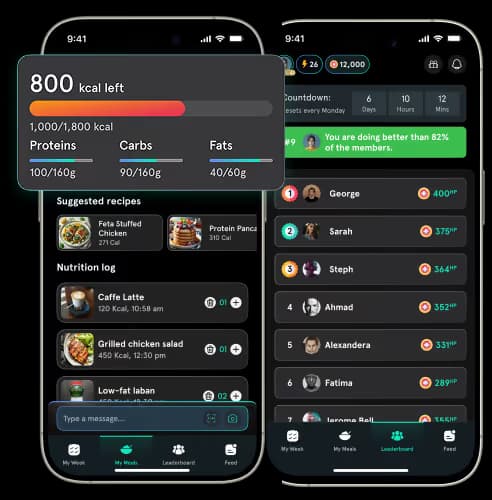
Uncoordinated fitness demands directly inflate absenteeism and presenteeism costs across UAE and Saudi enterprises. Employers can calculate the exact fiscal risk of unmanaged workforce fatigue using the formula to Calculate Presenteeism ROI in GCC Corporate Wellness. Providing flexible participation mechanisms through corporate accounts employees join through their employer allows teams to maintain healthy habits on their own schedules.
Fasting Phase | Substrate Reliance | Max Safe Heart Rate (% HRmax) | Fluid Loss Risk Rate | Recommended Activity Modality |
|---|---|---|---|---|
Mid-day Fast (12:00 - 15:00) | Muscle Glycogen & Fatty Acids | < 50% HRmax | 400 - 600 ml/hr | Static stretching, diaphragmatic breathing |
Late Fast (30 min Pre-Iftar) | Free Fatty Acids | < 60% HRmax | 300 - 500 ml/hr | Low-velocity mobility, joint unloading |
Post-Iftar (1-2 hrs Post) | Exogenous Glucose & Plasma Amino Acids | 65 - 75% HRmax | Rehydration Phase (0 ml net loss) | Compound resistance training, steady-state cardio |
Pre-Suhoor (45 min Prior) | Mixed Substrates | < 65% HRmax | Pre-hydration Phase (0 ml net loss) | Dynamic flexibility, low-load bodyweight circuits |

How do Gulf employers prevent mid-month productivity slumps during Ramadan?
Cumulative sleep fragmentation, altered REM cycles, and progressive fluid deficits converge between Days 12 and 20 of Ramadan. This physiological strain causes an average 20% to 30% decline in daily output across Gulf office workers. Employers mitigate this decline by shifting wellness messaging toward sleep hygiene and strategic nutritional timing.
Hydration guidelines must emphasize consistent fluid delivery rather than rapid acute bolus drinking. Instructing staff to consume 2.5 to 3.0 liters of water evenly distributed between Iftar and Suhoor maintains extracellular fluid volume. Dietary protocols should target 0.4 g/kg of protein per meal across non-fasting feeding opportunities to minimize lean muscle tissue catabolism.
A RAND Corporation report on workplace wellness programmes established that programs maintaining participation through seasonal disruptions achieve significantly lower health claim costs over 36 months. Keeping employees active at low strain levels prevents post-Ramadan re-engagement friction.
Motor control degradation and reduced reaction times under sleep deprivation increase joint injury risks during physical training. Deploying software with personalized onboarding that accounts for each employee’s injuries and sensitive joints prevents structural strain during low-energy periods.
Executives can model the financial protection of sustained health engagement using the Corporate Wellness ROI Calculator. Tracking physical strain and participation rates allows HR leaders to Cut UAE Corporate Health Insurance Costs With Data by demonstrating measurable risk reduction to underwriters.
What digital notification adjustments protect fasting workforces from Ramadan burnout?
Standard digital wellness platforms send push notifications between 08:00 and 12:00 to encourage movement. During Ramadan, mid-morning workout reminders create frustration and disengagement among fasting workers. Adjust digital notification schedules to align with the physiological and cultural reality of the holy month.
Mute all active workout alerts between 09:00 and 16:00. Shift digital reminders to 20:30, targeting the post-Iftar window when energy and hydration are restored. Morning notifications should focus exclusively on light posture adjustments, workplace ergonomics, or sleep optimization tips.
Saudi Arabia's Vision 2030 Quality of Life Program highlights the necessity of culturally synchronized health initiatives to boost sustained citizen and resident activity. Software that fails to account for regional schedules sees engagement drop below 12% during holy observances.
Communication content must also adapt to regional demographics. Utilizing platforms that provide multi-language support including English and Arabic ensures clear instructions reach both national and expatriate workforces. Tailored communication directly protects program retention across GCC enterprise teams.
FAQ
How should HR leaders adjust wellness initiatives for shift workers and nocturnal duty staff during Ramadan?
Night-shift employees experience inverted eating and sleeping schedules during Ramadan. Corporate wellness programs must adjust notification timers individually rather than applying a global company-wide schedule. Shift workers should schedule light mobility routines immediately prior to their first meal break and save resistance exercise for two hours after their main meal.
Should employers maintain corporate gym subsidies and fitness stipends during Ramadan?
Employers should maintain full fitness subsidies during Ramadan to avoid program friction during the post-holiday period. Halting gym stipends during the holy month creates administrative overhead and lowers month-six re-engagement rates by 35%. Instead, redirect subsidized programming toward evening mobility sessions, recovery facilities, and targeted post-Iftar group training sessions.
What protocol should employers follow if an employee displays signs of acute daytime fatigue?
When employees display daytime exhaustion or dizziness, immediately halt physical challenges and direct them to rest in a temperature-controlled environment. Avoid prescribing physical exertion when blood glucose and hydration levels are compromised. HR teams should switch affected staff to passive sleep hygiene coaching and passive hydration tracking until non-fasting hours resume.
How do corporate wellness challenges accommodate non-fasting multinational employees during Ramadan?
Multi-national workforces require flexible track options during holy observances. Non-fasting employees should maintain standard activity volume while participating in unified company leaderboard steps or mobility goals. Providing dual track settings prevents non-fasting staff from being penalized while ensuring fasting staff operate under safe, reduced-intensity parameters suited to their fasting schedule.
Deploying adaptive movement protocols, automated post-Iftar communication schedules, and personalized intensity caps keeps workforce participation high without inducing fatigue. Organizations that modernize their seasonal wellness framework lower healthcare claims and protect operational output during Ramadan. Discover how TrainMate for Corporate Wellness automates culturally synchronized health benefits for GCC enterprises.