What Is Enteric-Coated Sodium Bicarbonate Resistance Training?
Enteric-coated sodium bicarbonate resistance training uses acid-resistant capsules to deliver 0.3 g/kg of sodium bicarbonate directly to the small intestine 120 to 180 minutes before lifting. This protocol increases baseline blood bicarbonate levels by 5.0 to 6.0 mmol/L without gastrointestinal distress. The resulting extracellular buffer neutralizes intramuscular hydrogen ions, extending multi-set work capacity by 1 to 3 repetitions per set.
Standard sodium bicarbonate ($NaHCO_3$) is a potent, time-tested ergogenic compound. Yet oral administration of plain baking soda powder causes severe gastrointestinal distress in up to 70% of high-performance athletes. Unbuffered bicarbonate meets gastric hydrochloric acid in the stomach, reacting instantly to form massive volumes of carbon dioxide gas that trigger cramping, bloating, and vomiting.
Enteric polymer coatings solve this physiological delivery barrier. Manufactured from pH-sensitive polymers such as methacrylic acid copolymers, these specialized capsules remain completely insoluble in acidic gastric juice between pH 1.2 and 3.0. Gastric transit moves the capsule unopened through the pyloric sphincter into the duodenum, where local pH rises above 5.5.
Upon reaching the alkaline environment of the small intestine, the polymer film dissolves smoothly to release the raw sodium bicarbonate. Bicarbonate ions ($HCO_3^-$) cross the intestinal epithelium directly into hepatic portal circulation, expanding total systemic extracellular buffering capacity. This sudden rise in blood alkalinity creates a steep concentration gradient between plasma and working skeletal muscle, pulling acidic metabolic byproducts out of muscle cells during high-volume training blocks.
Why Does Hydrogen Ion Accumulation Cause Muscle Fatigue During 8–15 Rep Sets?
Hypertrophy protocols utilizing 8 to 15 repetitions rely on high rates of anaerobic glycolysis. Breakdown of intramuscular glycogen provides immediate adenosine triphosphate (ATP) resynthesis, but this rapid enzymatic pathway simultaneously generates metabolic byproducts—specifically lactate and free hydrogen ions ($H^+$).
As set duration extends beyond 20 seconds, free $H^+$ ions overwhelm native intracellular buffering capacity. Intracellular pH plunges from a resting state of 7.1 down to acidic levels near 6.4. This localized acidosis halts force generation through two direct biochemical pathways.
Excess hydrogen ions inhibit phosphofructokinase, the key rate-limiting enzyme required for glycolytic flux, halting rapid ATP generation. Simultaneously, free $H^+$ ions aggressively compete with calcium ions ($Ca^{2+}$) for troponin C binding sites on thin filaments. This interference blocks actin-myosin cross-bridge formation, forcing acute muscle shutdown before target mechanical strain is achieved.
When severe acidity forces set termination, lifters miss out on the highest-recruitment repetitions of a working set. Maintaining set quality requires managing this pH drop so that contractile failure—rather than metabolic burning—terminates the exercise. Ensuring every set hits an optimal proximity to failure for hypertrophy drives maximal motor unit recruitment across every training session.

How Does Enteric Coating Prevent GI Distress from Sodium Bicarbonate?
Unbuffered sodium bicarbonate reacts instantly with gastric hydrochloric acid inside the stomach cavity. A standard pre-workout dose of 0.3 g/kg of bare baking soda creates 4.0 to 6.0 liters of trapped carbon dioxide gas in under 20 minutes, causing sudden abdominal distension, violent belching, and rapid osmotic fluid shifts in the upper gut.
Enteric coatings bypass gastric breakdown through selective pH-dependent solubility. Methacrylic acid and cellulose acetate phthalate films maintain tight structural integrity throughout stomach transit, completely shielding the sensitive gastric mucosa from gas generation and direct chemical irritation.
A clinical trial published in Frontiers in Physiology demonstrated that enteric-coated formulations eliminate severe gastrointestinal distress while matching the systemic blood alkalosis achieved by bare sodium bicarbonate solutions. Intact passage through the stomach guarantees predictable intestinal absorption without compromising intra-workout focus or intra-abdominal stability during heavy compound movements.
Once the intact capsule enters the duodenum, local intestinal pH between 5.5 and 6.8 triggers rapid film breakdown. Bicarbonate absorbs cleanly across the brush border membrane into systemic circulation, leaving the gut quiet while raising systemic buffering capacity to peak levels.
How Does Extracellular Buffering Increase Multi-Set Rep Volume?
Bicarbonate ions reside predominantly in extracellular fluid spaces and cannot freely cross skeletal muscle cell membranes in substantial quantities. Sodium bicarbonate operates by modifying plasma chemistry outside the muscle, raising baseline blood bicarbonate from 24.0 mmol/L to roughly 29.5 mmol/L while shifting blood pH from 7.40 to approximately 7.48.
This systemic blood shift alters the trans-sarcolemmal pH gradient across working muscle membranes. Specific membrane transport proteins—monocarboxylate transporters MCT1 and MCT4—shuttle accumulated lactate and $H^+$ ions out of fatigued muscle fibers into the bloodstream far more rapidly when blood pH is artificially high.
Accelerated hydrogen ion removal keeps intramuscular pH high enough for phosphofructokinase to remain active. Calcium binding to troponin C continues uninterrupted, allowing contractile force output to stay high through reps that would normally suffer catastrophic velocity loss.
In a 2021 meta-analysis in the Journal of the International Society of Sports Nutrition, researchers confirmed that pre-exercise bicarbonate loading boosts total high-intensity work capacity by 2.0% to 3.0%. Applied across 4 or 5 working sets, this expanded systemic buffer yields 1 to 3 additional reps per set, adding 8 to 12 additional high-tension repetitions to a single exercise block.
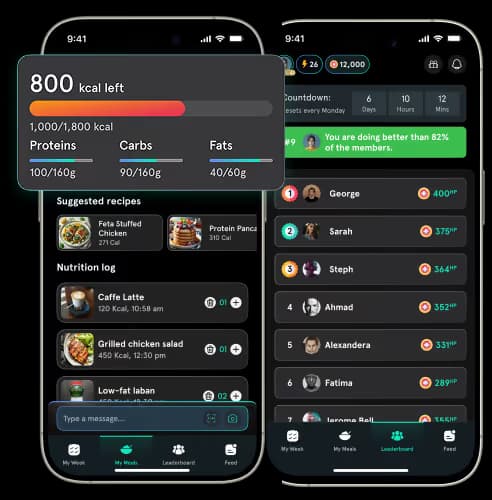
When pushing these extended sets near mechanical failure, logging exact performance metrics reveals whether extra reps build targeted stimulus or generate systemic trash. You can monitor rep retention and fatigue rates using guided gym workouts with set-by-set logging of reps, weight and assisted-machine loads to verify that target training density is met without unprogrammed set decay.
What Is the Optimal Timing and Dosing Protocol for Resistance Training?
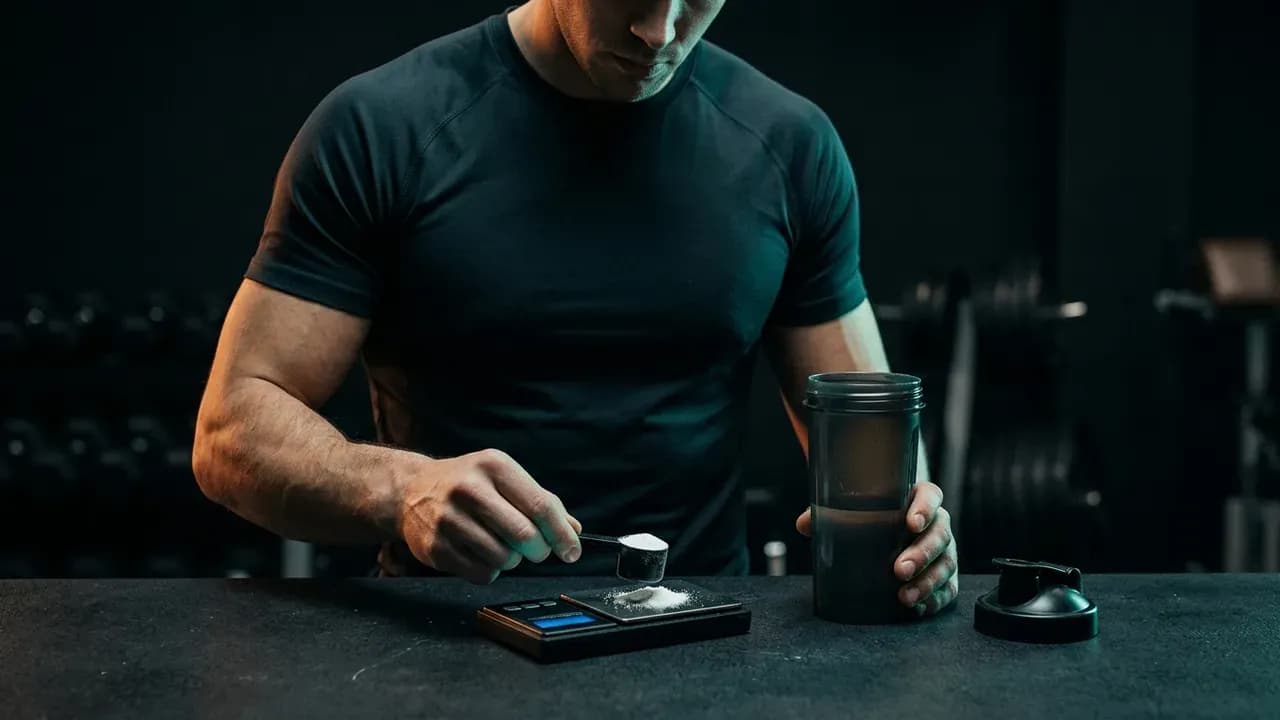
Precision dosing depends entirely on body mass and gastric transit mechanics. Standard ergogenic protocols mandate exactly 0.3 grams of sodium bicarbonate per kilogram of total body mass. An 85 kg athlete requires a target pre-workout dose of 25.5 grams.
Because enteric capsules must pass through the stomach intact before dissolving, plasma bicarbonate kinetics lag behind raw powder ingestion. While raw powder peaks in 60 to 90 minutes, enteric capsules achieve peak systemic blood bicarbonate (+5.5 mmol/L $HCO_3^-$) between 120 and 180 minutes post-ingestion.
For optimal intra-workout performance, ingest the entire capsule dose in a single bolus 150 minutes before your first working set. Alternatively, divide the dose into two equal halves taken at 180 minutes and 120 minutes prior to training to eliminate transient fluid shifts in the gut.
Drink 500 to 750 mL of pure water alongside the dose to facilitate rapid gastric passage into the small intestine. Co-ingesting a small meal containing 0.5 g/kg of fast-digesting carbohydrates further speeds up gastric emptying without lowering gut pH. Combining bicarbonate loading with intra-workout carbohydrates further preserves muscle glycogen during high-volume leg sessions.
Matching exact pre-workout nutrition and supplement timing around heavy training requires organized meal structure. You can track your peri-workout macronutrient timing using meal logging by photo, chat or manual entry to align your carbohydrate intake with peak bicarbonate absorption windows.
If you need to establish baseline calorie and macronutrient targets to support a high-volume training block, use our Macro Calculator to set precise daily targets.
Comparing Bicarbonate Protocols for Resistance Athletes
Bare baking soda drinking protocols force high acute execution risks for marginal gains. Consuming unbuffered powder in water frequently causes severe abdominal cramping, sudden belching, or forced diarrhea within 30 minutes, forcing lifters to abandon sessions before completing working sets.
Enteric-coated capsules eliminate this digestive barrier while matching or exceeding plasma bicarbonate accumulation. Intact passage through gastric acid allows full intestinal absorption, dropping gastrointestinal side-effect rates below 10% while driving systemic blood alkalinity up to maximum ergogenic thresholds.
A 2023 study published in Sports Medicine demonstrated that enteric-coated capsules generate equivalent blood alkalosis to raw sodium bicarbonate while suppressing gastrointestinal symptoms below clinically significant levels.
To ensure that increased repetition density does not cause excessive velocity loss across sets, evaluate set fatigue against defined velocity loss thresholds. This ensures added reps provide high-quality mechanical stimulus rather than unnecessary structural damage.
If you need to adjust daily caloric targets to handle increased volume workload, calculate your total daily baseline using our TDEE Calculator.
Frequently Asked Questions
How should lifters modify sodium bicarbonate timing if training early in the morning?
For early morning sessions, waiting 150 minutes post-ingestion is impractical. Take half the dose (0.15 g/kg) before sleep and the remaining 0.15 g/kg immediately upon waking with 500 mL of water. This split protocol maintains elevated systemic bicarbonate levels while cutting pre-workout wait times to under 60 minutes.
Can you stack enteric-coated sodium bicarbonate with beta-alanine for greater hypertrophy?
Yes. Beta-alanine elevates intracellular carnosine, buffering $H^+$ ions inside the muscle cell, while sodium bicarbonate expands extracellular buffering capacity in blood plasma. Combining 3.2 to 6.4 grams daily of beta-alanine with acute pre-workout enteric sodium bicarbonate creates a dual-phase buffer system, expanding work capacity across both intracellular and extracellular compartments.
How does high pre-workout sodium intake from bicarbonate affect daily fluid retention and nutrition?
A full 0.3 g/kg bicarbonate dose adds approximately 2,500 to 3,500 mg of sodium. Lifters should temporarily lower dietary table salt on heavy training days to prevent excessive subcutaneous fluid retention. Drink an additional 1.0 liter of water across the training block to assist renal sodium clearance and maintain fluid balance.
Should enteric-coated sodium bicarbonate be used on every training day or reserved for specific workouts?
Reserve bicarbonate loading for high-density, multi-set workouts targeting large muscle groups, such as heavy leg or back hypertrophy days. Consecutive daily use causes transient sodium accumulation and blunts natural adaptive responses to metabolic stress. Limiting use to 2 or 3 heavy sessions per week preserves ergogenic potency and minimizes systemic strain.
While extracellular buffering expands per-session rep output, advanced lifters must periodize sodium bicarbonate use to avoid chronic systemic fatigue. Applying bicarbonate loading exclusively during peak accumulation blocks—typically weeks 3 through 5 of a mesocycle—maximizes high-tension mechanical stimulus while preventing joint and neural burnout. When work capacity expands beyond standard volume limits, maintaining strict performance tracking prevents low-quality junk volume. Use personalized training plans that adapt to you to automatically adjust your set targets, autoregulate fatigue, and convert enhanced volume into measurable hypertrophy.