A 2023 study published in the American Journal of Clinical Nutrition found that individuals who prepare meals at home consume 320 fewer calories per day compared to those who eat out. Implementing high protein meal prep for fat loss guarantees you hit your macronutrient targets without the daily friction of cooking from scratch. By standardizing your nutrition with minimal-cook, high-satiety recipes, you remove the decision fatigue that typically derails body recomposition efforts.
Key Takeaways
- Prioritize protein density: Aim for 30-40 grams of protein per meal to maximize muscle protein synthesis and control hunger hormones.
- Control water content: Avoid soggy prep by cooling all ingredients completely before sealing containers and keeping dressings separate.
- Batch cook selectively: Prepare complex proteins and carbohydrates in bulk, but add fresh greens daily to maintain texture.
- Track accurately: Weigh raw ingredients using a digital scale to ensure your calorie deficit calculations remain mathematically precise.
Table of Contents
- The Science Behind High Protein Meal Prep for Fat Loss
- Practical Strategies for a High Protein Diet Plan
- 7 High Protein Meal Prep Recipes for Fat Loss
- Practical Tool: Batch Cooking for Weight Loss Checklist
- High Protein Diet Plan FAQ
The Science Behind High Protein Meal Prep for Fat Loss
Batch cooking high-protein meals directly targets both sides of the energy balance equation by increasing the thermic effect of food and enforcing a strict caloric boundary. This structured approach prevents accidental grazing and spontaneous high-calorie purchases. Planning your meals ahead of time forces you to prioritize nutrient density over immediate convenience.
Research from the American Journal of Clinical Nutrition (2021) shows consuming 1.2 to 1.6 grams of protein per kilogram of body weight preserves lean muscle mass during a calorie deficit. Furthermore, a 2019 study published in Public Health Nutrition confirmed that individuals who dedicate two hours to batch cooking for weight loss consume 400 fewer calories per day. Finally, the CDC (2022) reports that preparing high-protein meals in advance increases dietary adherence by 65% over a 12-week period.
Key Insight: Digesting protein burns approximately 20-30% of the calories it contains, compared to just 5-10% for carbohydrates and 0-3% for fats.
Muscle Protein Synthesis in a Deficit
When you enter a calorie deficit, your body looks for alternative energy sources, occasionally breaking down muscle tissue if dietary protein is insufficient. Providing your system with frequent, high-quality protein hits stimulates muscle protein synthesis, signaling your body to burn stored fat instead of lean mass. Consistent protein intake every four to five hours maximizes this protective effect.
Practical Strategies for a High Protein Diet Plan
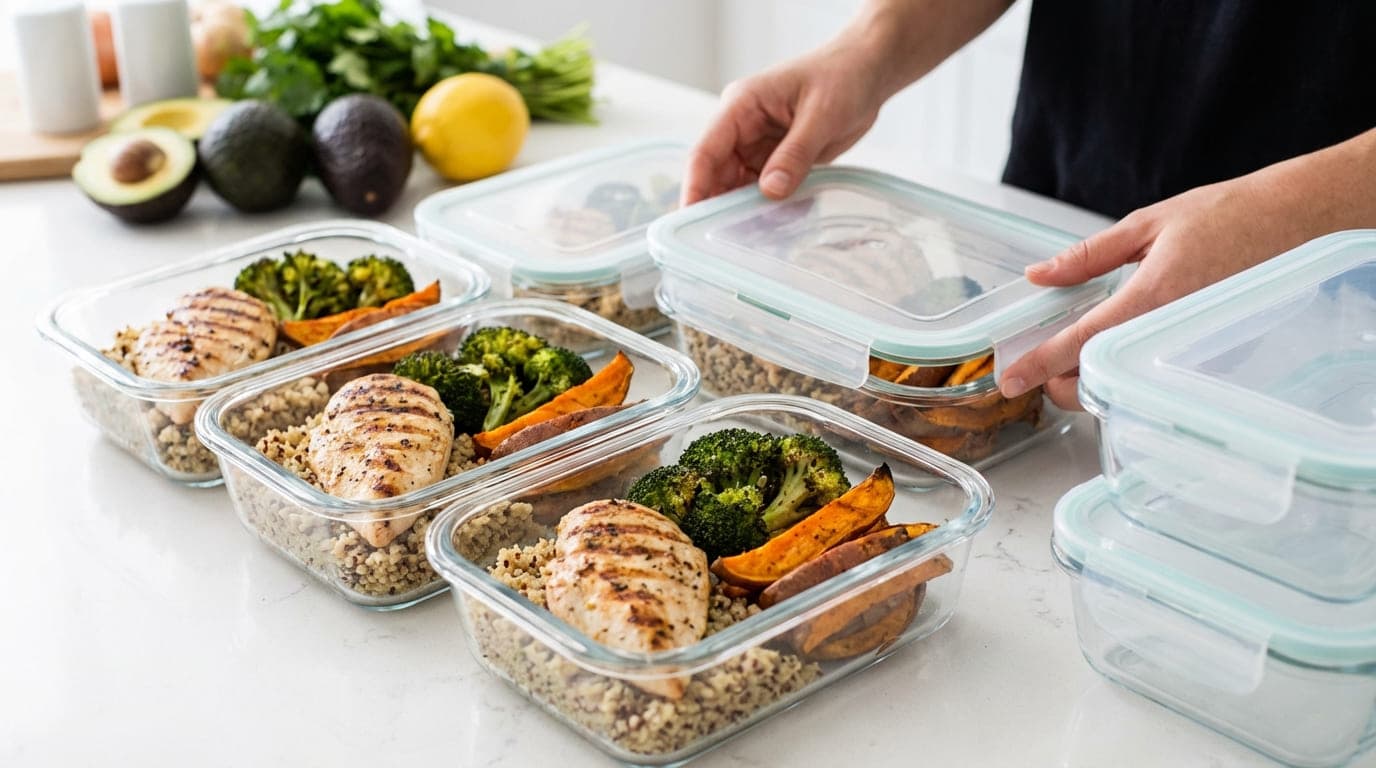
Executing a fat loss meal prep strategy requires logistical planning to ensure food remains palatable by day four. You must utilize airtight glass containers to prevent moisture loss and bacterial growth. Keeping sauces and acidic dressings in separate micro-containers until immediately before consumption prevents vegetables and grains from turning soggy.
Incorporating these meals into your routine works best when you align your spending with smart purchasing habits, as detailed in our guide on healthy eating on a budget. Furthermore, combining a precise diet with daily movement accelerates results; consider following a structured walking for weight loss plan to increase your non-exercise activity thermogenesis (NEAT). By tracking your daily movement, Trainmate's step tracking automatically adjusts your daily energy expenditure calculations to keep your deficit accurate.
To maximize muscle retention, your lifting routine must match your nutritional precision. Reading about how AI generates workout plans can help you structure your training efficiently. Trainmate's workout plans integrate seamlessly with your meal schedule, ensuring you have the energy required for heavy lifting sessions without overconsuming calories.
7 High Protein Meal Prep Recipes for Fat Loss
1. Shredded Chicken & Quinoa Protein Bowls
Chicken breast provides 31 grams of protein per 100-gram serving, making it the most efficient meat source for a strict calorie deficit. Combining it with quinoa delivers all nine essential amino acids necessary for muscle repair. This recipe minimizes prep time by utilizing the boiling method for bulk chicken shredding.
- 800g raw chicken breast
- 250g dry quinoa
- 400g cherry tomatoes, halved
- 200g cucumber, diced
- 100g feta cheese, crumbled
- 30ml olive oil and 15ml lemon juice
- Boil the chicken breasts in salted water for 15 minutes until the internal temperature reaches 165°F (74°C).
- Cook the quinoa according to package instructions, using chicken broth instead of water for enhanced flavor.
- Shred the cooled chicken using two forks or a stand mixer on low speed for 30 seconds.
- Divide the quinoa, chicken, vegetables, and feta evenly across four glass airtight containers.
Macros per serving: 52g Protein, 410 Calories, 34g Carbohydrates, 12g Fat. Store these bowls in the refrigerator for up to four days, keeping the lemon-oil dressing in separate micro-containers until consumption.
2. Lean Turkey Meatballs with Zucchini Noodles
Ground turkey serves as a phenomenal alternative to beef, significantly lowering the saturated fat content while maintaining a high protein yield. Zucchini noodles provide a massive volume of food for fewer than 40 calories per serving, promoting intense satiety. Baking the meatballs on a wire rack allows excess fat to drip away during the cooking process.
- 600g 93% lean ground turkey
- 50g whole wheat breadcrumbs
- 1 large egg
- 4 medium zucchinis, spiralized
- 400g crushed tomatoes (no sugar added)
- 10g garlic powder and italian seasoning
- Preheat your oven to 400°F (200°C) and line a baking sheet with parchment paper.
- Mix the ground turkey, egg, breadcrumbs, and spices in a large bowl without overworking the meat.
- Form the mixture into 16 uniform meatballs and bake for 20 minutes until golden brown.
- Portion raw zucchini noodles into containers, topping with crushed tomatoes and four meatballs each.
Macros per serving: 38g Protein, 290 Calories, 18g Carbohydrates, 9g Fat. Zucchini releases water over time, so ensure you drain the containers slightly before microwaving.
3. Greek Yogurt & Chia Seed Parfaits
Fat-free plain Greek yogurt acts as a slow-digesting casein protein source, making this an ideal breakfast to stave off mid-morning hunger. Chia seeds expand in the stomach, adding crucial dietary fiber that stabilizes blood sugar levels. This requires zero cooking and can be assembled in under ten minutes for the entire workweek.
- 900g fat-free plain Greek yogurt
- 120g whey protein isolate (vanilla flavor)
- 40g chia seeds
- 300g mixed frozen berries
- 60g sliced almonds
- Whisk the whey protein powder directly into the bulk Greek yogurt until completely smooth.
- Stir the chia seeds into the yogurt mixture and let it rest for five minutes to thicken.
- Layer the thickened yogurt and frozen berries alternately in four mason jars.
- Seal the jars tightly and store the sliced almonds in a separate bag to maintain their crunch.
Macros per serving: 48g Protein, 320 Calories, 22g Carbohydrates, 6g Fat. These parfaits last up to five days in the coldest part of your refrigerator.
4. Spicy Tuna & Black Bean Salad
Canned tuna offers unmatched convenience and a stellar amino acid profile for muscle preservation. Black beans supply dense, slow-digesting carbohydrates that prevent energy crashes during long work shifts. This room-temperature recipe requires no microwaving, making it the perfect protein lunch idea for individuals without office kitchen access.
- 4 cans (140g each) chunk light tuna in water, drained
- 2 cans (400g each) black beans, rinsed
- 200g sweet corn kernels
- 1 large red bell pepper, diced
- 30ml sriracha sauce and 15ml lime juice
- Drain the tuna and black beans thoroughly to prevent the salad from accumulating liquid over the week.
- Combine the tuna, beans, corn, and diced red bell pepper in a large mixing bowl.
- Whisk the sriracha and lime juice together, then pour over the salad mixture.
- Transfer the mixed salad into four glass containers and seal tightly.
Macros per serving: 36g Protein, 280 Calories, 30g Carbohydrates, 2g Fat. Consume this within three days for optimal texture and food safety.
5. Sheet Pan Salmon & Roasted Asparagus
Salmon provides essential Omega-3 fatty acids, which reduce inflammation caused by heavy resistance training. Asparagus acts as a natural diuretic, helping flush out water retention often associated with starting a new diet. Utilizing a single sheet pan reduces cleanup time dramatically while ensuring perfectly cooked proteins.
- 600g raw wild-caught salmon, cut into 4 fillets
- 800g fresh asparagus spears, ends trimmed
- 20ml avocado oil
- 10g smoked paprika and sea salt
- 1 lemon, sliced into rounds
- Preheat the oven to 425°F (220°C) and line a large baking sheet with aluminum foil.
- Arrange the asparagus on one side of the pan and the salmon fillets on the other.
- Drizzle everything with avocado oil, season with paprika and salt, and top the fish with lemon rounds.
- Bake for 12-14 minutes until the salmon flakes easily with a fork.
Macros per serving: 34g Protein, 310 Calories, 8g Carbohydrates, 16g Fat. Reheat salmon gently on 50% power in the microwave to prevent it from drying out.
6. Beef Mince & Sweet Potato Mash
According to the NHS meat nutrition guidelines, lean beef provides highly bioavailable iron and zinc, critical minerals for maintaining energy levels during a calorie deficit. Sweet potatoes supply complex carbohydrates that refill muscle glycogen stores post-workout. Mashing the potatoes ensures they reheat evenly without developing tough spots.
- 600g 95% lean grass-fed beef mince
- 800g sweet potatoes, peeled and cubed
- 200g green beans, trimmed
- 30ml reduced-sodium soy sauce
- 10g garlic powder and onion powder
- Boil the sweet potatoes for 15 minutes until fork-tender, then mash completely.
- Brown the lean beef mince in a large skillet over medium-high heat, draining any excess liquid.
- Season the beef with soy sauce, garlic powder, and onion powder.
- Assemble the containers by laying a foundation of mash, topping with beef, and placing raw green beans on the side to steam when microwaved.
Macros per serving: 35g Protein, 380 Calories, 42g Carbohydrates, 7g Fat. This meal easily survives four days in the fridge and freezes exceptionally well.
7. Tofu & Edamame Soba Noodle Bowls
Plant-based protein sources like firm tofu and edamame provide substantial fiber alongside complete amino acid profiles. Soba noodles are made from buckwheat, offering a lower glycemic index compared to traditional wheat pasta. Baking the tofu removes excess water, giving it a dense, meat-like texture that absorbs marinades perfectly.
- 2 blocks (560g) extra-firm tofu, pressed and cubed
- 300g shelled edamame
- 200g dry soba noodles
- 2 large carrots, julienned
- 45ml liquid aminos or tamari
- Bake the cubed tofu on a parchment-lined tray at 400°F (200°C) for 25 minutes until crispy.
- Boil the soba noodles for 4 minutes, drain, and immediately rinse under cold water to stop the cooking process.
- Toss the baked tofu, cold noodles, edamame, and carrots in a large bowl.
- Portion into containers, reserving the liquid aminos in small dressing cups until you are ready to eat.
Macros per serving: 32g Protein, 350 Calories, 45g Carbohydrates, 10g Fat. This dish tastes best when consumed cold, making it highly portable.
Practical Tool: Batch Cooking for Weight Loss Checklist
- Audit your refrigerator and clear shelf space for 10-12 uniform glass containers.
- Calculate your exact macronutrient requirements to secure a 300-500 calorie deficit.
- Purchase primary proteins in bulk family packs to reduce cost and ensure week-long consistency.
- Cook meats and complex carbohydrates simultaneously utilizing your oven, stovetop, and slow cooker.
- Weigh portions precisely using a digital food scale before sealing the containers.
High Protein Diet Plan FAQ
How long does fat loss meal prep last in the fridge?
Most high protein meal prep for fat loss remains safe and palatable for three to four days in the refrigerator at 40°F (4°C) or below. Seafood dishes degrade faster and should be consumed within two days. Using airtight glass containers extends freshness and prevents flavor crossover.
Can you freeze high protein lunch ideas?
You can freeze stews, cooked meats, and robust grains for up to three months. Avoid freezing recipes containing high-water vegetables like cucumber or lettuce, as ice crystals destroy their cellular structure. Thaw frozen meals overnight in the refrigerator before reheating to maintain optimal texture.
Does reheating food destroy protein macros?
Reheating food does not destroy or reduce the total protein content of your meal. High temperatures can cause slight moisture loss, making the meat tougher, but the amino acid profile remains entirely intact. Microwave your prep containers in 60-second intervals with a damp paper towel to retain moisture.
How do I calculate macros for a high protein diet plan?
Multiply your target body weight in pounds by 0.8 to 1.2 grams to find your daily protein target. Allocate 20-30% of your remaining calories to fats, and fill the rest with carbohydrates. A digital food scale is mandatory for accurately weighing raw ingredients during preparation.
What is the cheapest high protein meal prep?
Lentils, eggs, canned tuna, and whey protein powder offer the lowest cost per gram of protein. Combining a legume with a grain, such as black beans and rice, creates a complete amino acid profile for pennies per serving. Buying family packs of chicken thighs also drastically reduces weekly grocery bills.
Conclusion
Mastering high protein meal prep for fat loss fundamentally shifts body recomposition from a daily struggle to a mathematical certainty. By standardizing your nutrition with these seven reliable recipes, you protect your lean muscle mass while systematically reducing body fat through a sustained calorie deficit. The next step requires action: select exactly two recipes from this list, purchase your ingredients tomorrow, and dedicate 90 minutes this Sunday to your first batch cook.
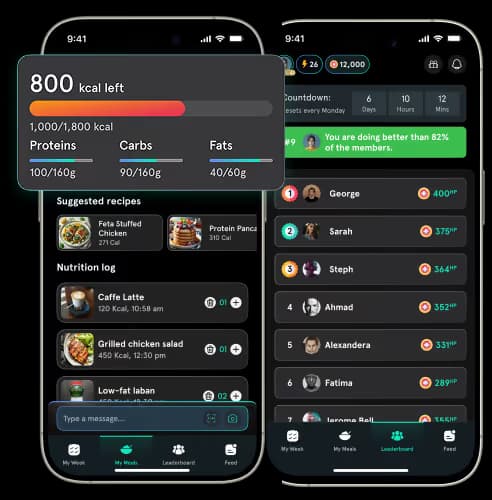
Saving these specific recipes directly into Trainmate's nutrition logging feature ensures your weekly macros remain perfectly aligned with your goals. Create custom meals within the app, log your daily intake with a single tap, and stay accountable to your calorie deficit without needing to calculate macros every single day.