The UAE National Wellbeing Strategy 2031 explicitly links national prosperity to individual health, mandating a strict shift in how businesses operate. A 2023 Cigna survey reveals 73% of UAE professionals report high stress levels, making structured employee health interventions a non-negotiable retention tool. This comprehensive guide details the exact legal requirements, budget expectations, and implementation steps needed to execute profitable corporate wellness programs UAE. For a curated marketplace of UAE wellness vendors including app-based tracking, visit our Corporate Wellness Providers page.
Key Takeaways
- Align with regulations: Ensure your initiatives meet UAE Ministry of Human Resources and Emiratisation (MOHRE) occupational health standards.
- Budget realistically: Expect baseline operational costs of AED 300 to 800 per employee annually.
- Track hard data: Shift from vague participation metrics to tracking healthcare cost reductions and absenteeism rates.
- Centralize delivery: Utilize integrated digital platforms to unify step tracking, mental health resources, and automated rewards.
- Focus on retention: High-expat workforces stay 2.5 years longer at companies with robust, transparent health benefits.
Table of Contents
- Why Corporate Wellness Programs UAE Matter Now
- UAE Legal Guardrails and MOHRE Compliance
- Designing Workplace Wellness Programs Dubai: Physical Health
- Designing Workplace Wellness Programs Dubai: Mental Wellbeing
- Designing Workplace Wellness Programs Dubai: Financial Fitness
- Overcoming Sedentary Office Culture in High Heat
- Cost Realism: Budgeting for Corporate Health Programs UAE
- ROI Metrics: Measuring What Matters
- 5 Steps to Launch Your Program
- Employee Privacy and Data Security Standards
- Frequently Asked Questions
Why Corporate Wellness Programs UAE Matter Now
Employee wellness UAE initiatives directly dictate your ability to retain top tier talent in a highly transient expatriate market. Replacing an employee in Dubai or Abu Dhabi typically costs 33% of their annual salary when factoring in recruitment fees, visa processing, and onboarding delays. Structuring a comprehensive corporate health program actively mitigates this financial drain by fostering organizational loyalty.
Key Insight: The UAE labor market is inherently competitive, and baseline health insurance is no longer a differentiator. Modern professionals expect proactive health management resources, ranging from mental health days to subsidized gym access. Implementing these structures transitions your HR department from an administrative center into a strategic driver of company profitability.
The integration of health initiatives also counteracts the physical toll of sedentary office environments. With long working hours and intense summer heat limiting outdoor activity, employees require accessible, structured indoor health solutions. Corporate wellness programs UAE provide the necessary framework to keep your workforce energized, focused, and physically capable year-round.
UAE Legal Guardrails and MOHRE Compliance
Operating within the legal parameters of the UAE requires strict adherence to Ministry of Human Resources and Emiratisation (MOHRE) guidelines. Federal Decree-Law No. 33 of 2021 on the Regulation of Labor Relations mandates that employers provide safe working environments and comprehensive health insurance. Beyond basic medical coverage, specialized entities like ADNOC enforce rigorous occupational health standards that mid-to-large vendors must emulate.
Compliance extends to ensuring that all health data collected through your wellness initiatives adheres to the UAE Data Protection Law (Federal Decree-Law No. 45 of 2021). You must anonymize employee health metrics and secure explicit consent before tracking physical activity or dietary habits. Partnering with compliant software vendors prevents catastrophic legal liabilities while building necessary trust with your workforce.
Furthermore, the UAE National Wellbeing Strategy 2031 encourages private sector companies to actively report on their internal health metrics. Aligning your workplace wellness programs Dubai with this federal vision positions your company favorably for government contracts and industry awards. Proactive compliance is a distinct commercial advantage in the modern Middle Eastern corporate landscape.
Designing Workplace Wellness Programs Dubai: Physical Health
Physical health interventions must be accessible, scalable, and measurable across diverse age groups and fitness levels. Begin by targeting baseline daily activity rather than demanding extreme athletic performance from your workforce. Encouraging a daily 10k step challenge creates a low-barrier entry point that immediately impacts cardiovascular health and energy levels.
Office ergonomics play a massive role in preventing musculoskeletal disorders, which account for a significant percentage of localized medical claims. Invest in sit-stand desks, ergonomic chairs, and mandatory screen-break software to mitigate chronic back and neck pain. These physical adjustments yield rapid returns by reducing localized physical fatigue and improving daily focus.
Nutrition and physical recovery must complement active movement protocols to achieve holistic health. Educate your staff on how to optimize sleep for physical recovery to prevent systemic burnout and chronic fatigue. Supplying healthy office snacks and subsidizing nutritious meal deliveries further reinforces the physical pillars of your corporate health programs UAE.
Designing Workplace Wellness Programs Dubai: Mental Wellbeing
Mental health support is the fastest-growing requirement for expatriate professionals managing the stress of international relocation and high-pressure corporate roles. Implement a robust Employee Assistance Program (EAP) that provides confidential, third-party counseling for stress, anxiety, and personal crises. Ensure these services are communicated clearly and frequently to remove the historical stigma associated with seeking psychological help.
Preventative mental health strategies involve redesigning workflows to respect boundaries and encourage actual rest. Mandate completely disconnected annual leave and enforce blackout periods for internal emails during weekends. These structural boundaries prevent the chronic hyper-arousal that leads to severe employee burnout and sudden resignations.
Physical environment modifications also heavily influence daily mental states and cognitive endurance. Maximize natural light in the office, designate quiet zones for deep work, and introduce biophilic design elements like indoor plants. These relatively inexpensive adjustments significantly lower baseline cortisol levels across your entire workforce.
Designing Workplace Wellness Programs Dubai: Financial Fitness
Financial stress is a primary distractor that severely degrades employee productivity and cognitive function. Introduce quarterly financial literacy workshops covering UAE-specific topics like end-of-service gratuity management, local real estate investment, and debt consolidation. Equipping your staff with these tools directly reduces their out-of-office anxiety.
Partner with local financial institutions to offer corporate rates on personal loans, mortgages, and international remittance fees. These direct financial benefits stretch your employees' existing salaries further without requiring direct salary increases from the company budget. Effective workplace wellness programs Dubai treat financial stability as a core pillar of holistic health.
Provide specialized tax consultation resources for expatriates navigating the complex tax liabilities of their home countries. A financially secure employee is fundamentally more focused, loyal, and capable of handling complex professional challenges.
Overcoming Sedentary Office Culture in High Heat
The extreme summer temperatures in the UAE severely limit outdoor physical activity for nearly six months of the year. Your corporate wellness programs UAE must provide accessible, indoor alternatives that do not require extensive travel or logistical friction. Subsidizing memberships to gym chains connected to the Dubai Metro or located within major business parks removes the friction of heat-related commutes.
Introduce micro-workouts and mobility routines directly into the workday utilizing habit stacking techniques. Encourage employees to perform a five-minute stretching routine immediately after their daily stand-up meeting or before lunch. These small, consistent actions accumulate massive physiological benefits without requiring a sweaty, hour-long gym session.
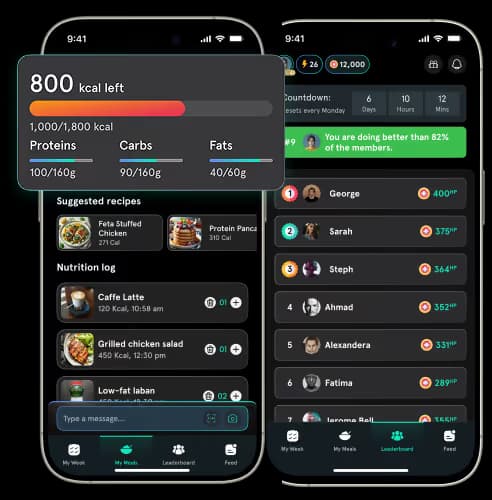
Gamification effectively drives indoor physical activity when outdoor options are eliminated. Organize department-wide indoor step challenges using wearable tech to foster friendly competition and team cohesion. Utilizing specific fitness app features ensures accurate tracking and prevents the manipulation of data during these internal challenges.
Cost Realism: Budgeting for Corporate Health Programs UAE
Implementing an effective wellness strategy requires a realistic, dedicated annual budget rather than ad-hoc spending. Baseline programs that include app-based tracking, basic EAP access, and quarterly workshops typically cost between AED 300 and AED 800 per employee annually. Mid-market companies must view this AED 800 ceiling as an aggressive preventative maintenance budget for their most valuable operational asset.
Premium wellness tiers, featuring subsidized gym memberships, comprehensive biometric screening, and personalized health coaching, escalate costs to AED 2,000 or more per head. However, concentrating your budget on high-impact, scalable digital solutions often yields a higher participation rate than expensive, localized gym contracts. Allocate funds toward accessible technology and consistent communication rather than flashy, underutilized amenities.
Hidden costs often derail poorly planned corporate health programs UAE during their second year. Factor in the administrative hours required by HR to manage vendors, analyze data, and promote internal campaigns. Budgeting an additional 15% for program marketing ensures your workforce actually engages with the tools you have purchased.
Never fund wellness programs by reducing baseline health insurance coverage. Wellness initiatives are designed to reduce the utilization of that insurance over a three-to-five-year horizon, not replace it. Maintaining robust standard medical coverage remains your primary legal and ethical obligation as an employer.
ROI Metrics: Measuring What Matters
Measuring the financial impact of corporate health programs UAE requires baseline data collection and continuous, rigorous monitoring. The Harvard meta-analysis on wellness returns found that for every dollar invested in corporate wellness, medical costs fall by $3.27 and absenteeism costs drop by $2.73. Furthermore, the World Health Organization occupational health standards note that comprehensive workplace health initiatives can reduce sick leave by up to 27%.
Tools like Trainmate fitness tracking and engagement dashboards enable real-time measurement of employee participation, absenteeism reduction, and wellness metric trends — essential for demonstrating ROI to stakeholders. By cross-referencing aggregate wellness data with HR absenteeism reports, executives can visualize the direct correlation between physical activity and sustained workplace attendance. This quantitative approach secures ongoing budget approvals from financially stringent C-suite executives.
Qualitative metrics provide necessary context to the hard financial data you present to the board. Distribute quarterly anonymous surveys to measure perceived workplace stress, team morale, and energy levels. Combining soft morale metrics with hard participation data provides a complete, unassailable picture of your program's operational value.
5 Steps to Launch Your Program
Launching an effective wellness strategy requires systematic execution to prevent immediate program abandonment. Follow this precise sequence to guarantee high participation rates and measurable behavioral changes within your organization.
- Conduct a baseline health audit: Survey your employees to identify their specific stressors, physical complaints, and desired benefits before spending any budget.
- Secure executive sponsorship: Ensure the C-suite publicly participates in the initiatives, as employees will ignore programs that leadership dismisses.
- Select your tech stack: Implement a wellness platform (e.g., Trainmate app) to centralize program communication, booking, and progress tracking across your organization.
- Appoint wellness champions: Designate enthusiastic employees across different departments to promote the initiatives and gather informal feedback from their peers.
- Launch with a high-visibility event: Kick off the program with a week-long challenge, complete with tangible rewards and immediate health biometric screenings.
Employee Privacy and Data Security Standards
The collection of employee health metrics introduces significant data privacy responsibilities that HR departments must legally navigate. Under the UAE Data Protection Law, biometric data and health records are classified as highly sensitive personal information. You must implement airtight internal policies dictating exactly who can access this data and for what specific purposes.
Never utilize individual health data to penalize employees or influence promotion decisions. All reporting sent to the executive team must be strictly aggregated and completely anonymized to protect individual identities. Violating this trust not only breaches federal law but permanently destroys the cultural foundation of your employee wellness UAE initiatives.
Require your third-party wellness vendors to provide comprehensive data security certifications, such as ISO 27001, before signing any enterprise contracts. Verify that all employee data is hosted locally within the UAE or in fully compliant international server jurisdictions. Rigorous vendor vetting prevents devastating corporate data leaks and ensures absolute legal compliance.
Frequently Asked Questions
What is the average cost of corporate wellness programs UAE?
The average cost ranges from AED 300 to AED 800 per employee annually for standard digital and preventative programs. Premium packages including extensive biometric testing and subsidized gym access can exceed AED 2,000 per employee. Your exact expenditure depends heavily on the ratio of digital tools to physical, in-person services.
Are wellness programs legally required by UAE labor law?
While standard health insurance is legally mandated, comprehensive wellness programs are not explicitly required by the UAE labor law. However, Ministry of Human Resources and Emiratisation (MOHRE) regulations strictly require employers to provide a safe, hazard-free working environment. Wellness programs proactively satisfy these occupational safety guidelines while aligning with national strategies.
How quickly can a company expect to see a positive ROI?
Companies typically observe a positive return on investment within 18 to 24 months of implementing comprehensive workplace wellness programs Dubai. Initial metrics will show improved morale and engagement within three months. Hard financial returns, driven by reduced insurance premiums and lowered absenteeism, require at least two annual cycles to materialize.
How do I track whether employees are actually using the wellness program?
Wellness platforms like Trainmate provide engagement analytics and participation reports. This data allows HR administrators to view anonymized, aggregate data on step counts, active minutes, and challenge completion rates. Evaluating these usage rates ensures your ongoing investment targets the specific activities your workforce genuinely values.
What is the most effective wellness initiative for a high-stress office?
Employee Assistance Programs (EAPs) combined with mandatory screen-break policies yield the fastest stress reduction results. Providing immediate, confidential access to licensed therapists mitigates acute anxiety. Coupling this with cultural shifts, like banned weekend emails, structurally prevents the chronic burnout that drives high expatriate turnover.
Can small UAE businesses afford corporate wellness programs?
Yes, small businesses can execute highly effective programs by leveraging low-cost digital tools and structural policy changes. Implementing flexible working hours, organizing free internal step challenges, and hosting basic financial workshops cost very little. Focusing on cultural support rather than expensive facility investments delivers massive value for smaller budgets.
Conclusion
Executing successful corporate wellness programs UAE demands a strategic transition from generic perks to measurable, data-driven health interventions. By aligning your initiatives with MOHRE compliance, budgeting realistic AED per-head figures, and leveraging centralized digital tracking, you protect your most critical operational asset. The long-term profitability of your enterprise relies directly on the physical and mental endurance of your workforce. Review your current HR budgets immediately to identify where preventative wellness investments can replace reactive medical expenditures.
Trainmate offers science-backed fitness tracking, personalized workout plans, and social accountability features designed to integrate seamlessly into your corporate wellness strategy. By leveraging our data-driven nutrition logging and step tracking, your employees can build sustainable habits that improve overall health and productivity. Start optimizing your workforce's wellbeing today by exploring Trainmate's comprehensive enterprise solutions.