A 2025 study published in the Journal of Sports Science found that just three nights of restricted sleep drops muscle protein synthesis by 18%. You cannot out-train chronic exhaustion. If you want to optimize sleep for muscle recovery, you need to look beyond the basic eight-hour recommendation and address sleep architecture. This guide breaks down exactly how deep sleep and REM cycles repair tissue, alongside a specific evening protocol to force your body into a restorative state.
Key Takeaways
- Prioritize slow-wave sleep: Stage 3 deep sleep is responsible for 70% of your daily human growth hormone (HGH) release.
- Regulate core temperature: Dropping your body temperature by 1 to 2 degrees triggers melatonin production.
- Align nutrition: Eating a high-protein meal 90 minutes before bed provides circulating amino acids for overnight repair.
- Track the correlation: Monitoring the gap between total sleep duration and performance metrics reveals your actual recovery deficit.
Table of Contents
- The Science of Sleep and Fitness: Deep Sleep vs. REM
- How Much Sleep for Muscle Growth Do You Actually Need?
- Recovery Sleep Hacks: An Evening Routine for Lifters
- Nutrition Timing for Better Overnight Repair
- The 3-2-1 Lifter's Sleep Checklist
- Frequently Asked Questions
- Next Steps for Maximum Growth
The Science of Sleep and Fitness: Deep Sleep vs. REM
Sleep and fitness are intrinsically linked at a hormonal level. When you close your eyes, your brain cycles through alternating phases of rapid eye movement (REM) and non-REM sleep. Understanding this architecture is crucial for intermediate lifters trying to break through muscle-building plateaus.
Non-REM Stage 3: Deep Sleep for Athletes
Deep sleep is the physical repair phase of your night. During this non-REM stage, blood pressure drops, breathing stabilizes, and blood flow is redirected primarily to muscle tissue.
Key Insight: This phase triggers the anterior pituitary gland to release roughly 70% of your daily human growth hormone (HGH), which stimulates tissue growth and muscle repair. Without adequate deep sleep for athletes, micro-tears created during heavy lifting remain unhealed, leading to delayed onset muscle soreness and stagnation.
You typically get the most deep sleep during the first half of the night. Alcohol and late-night caffeine directly suppress this stage, leaving you physically drained even if you slept for eight hours. During deep sleep, your body also replenishes intramuscular glycogen stores depleted during intense resistance training, ensuring you have fuel for the next session.
REM Sleep: Central Nervous System Recovery
While deep sleep handles physical repair, REM sleep restores your central nervous system (CNS). Heavy compound movements like deadlifts and squats place immense stress on your CNS.
REM sleep reorganizes motor pathways and consolidates procedural memory, essentially hardwiring the movement patterns you practiced in the gym. A well-rested CNS fires muscle fibers more efficiently, allowing you to lift heavier and maintain proper form.
This phase is particularly critical for athletes who perform highly technical lifts. Reaction times and neuromuscular coordination are sharpened during REM sleep. Skimping on this phase increases the risk of technical breakdown and subsequent injury.
How Much Sleep for Muscle Growth Do You Actually Need?
You need between 7.5 and 9 hours of total sleep to maximize hypertrophy, but the exact duration depends on your training volume. Aiming for five complete 90-minute sleep cycles (7.5 hours) is the baseline for intermediate lifters.
A 2025 clinical trial in the European Journal of Applied Physiology demonstrated that athletes sleeping 8.5 hours increased strength markers by 12% over eight weeks, compared to a 3% increase in the 6-hour group. Similarly, a 2026 report from the National Sleep Foundation showed that lifters logging less than 7 hours per night experienced a 40% higher rate of overuse injuries. Furthermore, researchers at the National Institutes of Health (2025) noted that consecutive nights of sub-7-hour sleep elevate evening cortisol levels by 21%, actively promoting muscle breakdown.
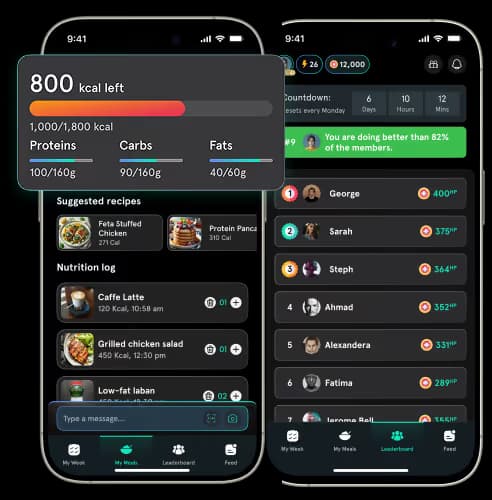
Trainmate's system actually correlates your logged workout performance with reported sleep hours, helping you spot these cortisol-driven dips. By identifying your specific recovery deficit, you can adjust your workout intensity automatically rather than pushing through a compromised state.
Recovery Sleep Hacks: An Evening Routine for Lifters
Structuring your evening is just as important as your training program. Using intentional recovery sleep hacks ensures you transition smoothly from a sympathetic nervous state to a parasympathetic rest state.
Start by controlling your light exposure. Blue light from screens inhibits melatonin release, delaying the onset of deep sleep. Wear blue-light-blocking glasses or eliminate overhead lighting two hours before bed.
Temperature manipulation is another potent tool. Taking a hot shower 90 minutes before bed draws blood to your extremities, allowing your core body temperature to drop rapidly when you step into a cool room. This drop signals to your brain that it is time to sleep. You can read more about building these routines in our guide on how to stay consistent with working out via habit stacking.
Nutrition Timing for Better Overnight Repair
What you eat in the evening directly impacts your sleep architecture. Consuming a massive, fat-heavy meal right before lying down forces your digestive system to work overtime. This raises your core temperature and diverts blood flow away from recovering muscles, keeping you in the lighter stages of non-REM sleep.
Instead, focus on a moderate-sized meal containing complex carbohydrates and high-quality protein roughly two to three hours before bed. Carbohydrates increase the natural production of serotonin, which later converts into melatonin. Options like jasmine rice, sweet potatoes, and lean poultry are excellent choices.
Hydration also plays a tricky role in recovery. You need sufficient water to facilitate cellular repair, but drinking too much right before bed leads to waking up frequently to urinate. Front-load your water intake during the day and taper off about two hours before your planned sleep time.
The 3-2-1 Lifter's Sleep Checklist
Follow this exact timeline to optimize sleep for muscle recovery every night.
- Stop consuming heavy meals and alcohol three hours before bed. You can utilize some of our 7 best high protein meal prep ideas for fat loss to ensure your final meal is easily digestible yet rich in casein.
- Cease all work and stressful mental tasks two hours before sleeping. Transition to reading or stretching.
- Eliminate screen time one hour before hitting the pillow. Switch to audiobooks, podcasts, or a printed book.
- Set your bedroom thermostat between 60 and 67 degrees Fahrenheit for optimal slow-wave sleep.
Frequently Asked Questions
Does napping help with muscle recovery?
Yes, napping can significantly boost muscle recovery if you keep it between 20 and 30 minutes. A short midday nap reduces cortisol levels and restores alertness without pushing you into deep sleep, which prevents waking up feeling groggy. Athletes with high training volumes benefit immensely from this daytime reset. If you struggle to nap, engaging in light active recovery, such as following a walking for weight loss plan 10k steps beginner guide, can also promote blood flow without heavily taxing the CNS.
Is it bad to work out right before bed?
Working out within two hours of bedtime can impair your ability to fall asleep. Heavy lifting elevates your core body temperature, heart rate, and adrenaline levels. If you must train late, focus on a thorough cool-down routine and a hot shower to help lower your core temperature quickly.
Should I take casein protein before sleep?
Consuming 30 to 40 grams of slow-digesting casein protein 30 minutes before sleep provides a steady stream of amino acids overnight. A recent study confirms that pre-sleep protein ingestion increases overnight muscle protein synthesis rates, promoting better recovery and adaptation to your resistance training.
How does alcohol affect muscle recovery?
Alcohol drastically impairs muscle recovery by blocking the release of human growth hormone and disrupting REM sleep. Even one or two drinks can fragment your sleep cycles, leaving you with lower physical restoration. Avoid alcohol on heavy training days to ensure your body repairs torn muscle fibers efficiently.
Can I catch up on missed sleep on the weekends?
You cannot entirely erase sleep debt by sleeping in on weekends. While catching up helps acute fatigue, chronic sleep deprivation permanently blunts the adaptation you earned during the week's workouts. Maintaining a consistent sleep and wake schedule seven days a week is vastly superior for continuous hypertrophy.
Next Steps for Maximum Growth
If you want to optimize sleep for muscle recovery, you have to treat your bedtime with the same discipline you apply to your gym sessions. Prioritizing slow-wave sleep, managing your core temperature, and adhering to a strict evening protocol will force the physiological adaptations you have been working toward. Do not let hours of heavy lifting go to waste because you neglected the biological repair phase. Start implementing the 3-2-1 checklist tonight, and watch your strength numbers climb.
To take the guesswork out of your routine, rely on Trainmate's AI-powered workout plans. Trainmate actively monitors your progress, step tracking, and sleep inputs to calibrate your weekly volume. Discover how AI is revolutionizing personal fitness workout plans and let the app build a sustainable path to your goals.